
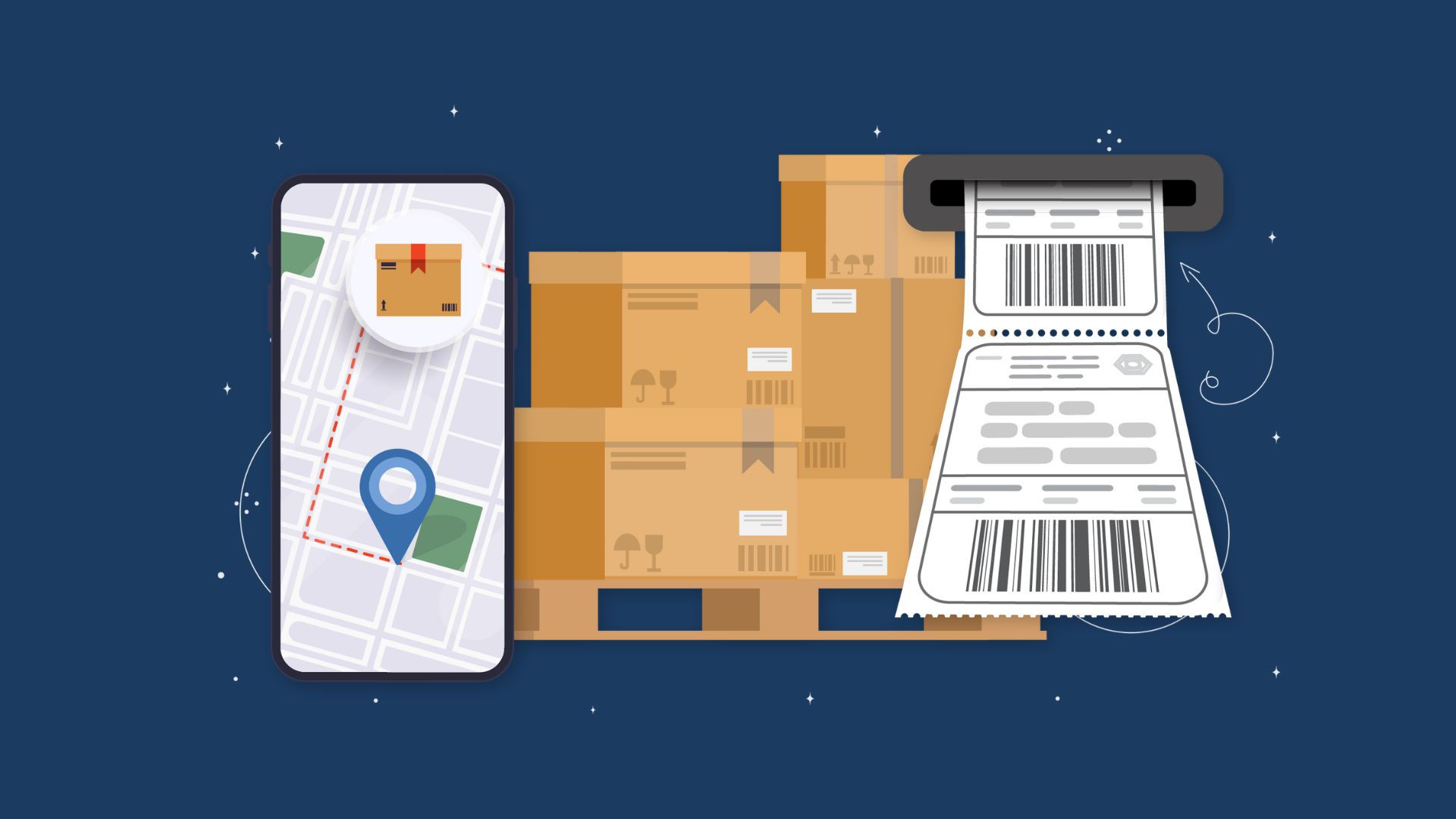
For small businesses, shipping can feel like a catch-22. Customers want fast, free (or at least cheap) shipping. But those costs eat into your margins, and suddenly that big sale doesn’t feel so big anymore.
The knee-jerk reaction is to look for the cheapest rates and call it a day. But real savings come from strategy, not shortcuts. And believe it or not, you can cut shipping costs and keep your customers happy at the same time. Effective small business shipping is about finding that perfect balance.
Step 1: Stop Thinking About “Shipping” as Just Printing a Label
Shipping isn’t just what happens after the sale; it’s part of your customer experience. Late deliveries, lost packages, or unclear tracking can damage your brand and lead to increased support tickets and costly returns.
So instead of asking, “How can I ship cheaper?” start with: “How can I ship smarter?”
Step 2: Use Automation to Reduce Waste
Manual shipping equals slow shipping. It’s also error-prone, repetitive, and not scalable, which is a major hurdle for growing businesses.
With a platform like 2Ship, you can automate your small business shipping process by:
- Carrier selection based on cost, speed, or performance
- Label generation and tracking updates
- Custom rules for different order types or destinations
This means fewer mistakes, faster fulfillment, and less money spent on re-shipping, returns and refunding unhappy customers.
Step 3: Reduce Your Shipments and Volume (Even If You’re Small)
You might not be shipping hundreds of packages a day, but that doesn’t mean you’re out of luck when it comes to savings.
2Ship gives you access to pre-negotiated rates and lets you connect your own accounts if you have preferred pricing. Marry that up with smarter shipping and you can:
- Reduce the number of shipments (and total cost)
- Aggregating orders going to the same customer or destination
- Use smart package algorithms to ship less pieces with lower dimensional weights
Think of it like putting your shipping on a reverse diet – the less you ship the more you gain.
Step 4: Track Performance and Optimize Over Time
You can’t improve what you don’t measure.
You can’t improve what you don’t measure. A key part of a successful small business shipping strategy is understanding your data.
With 2Ship’s dashboard and reporting tools, you can:
- Spot patterns (e.g. are you always paying extra for last-minute expedited shipping?)
- Identify problem carriers or delivery zones
- Understand your true cost per shipment by product or region
Small tweaks, over time, can lead to big savings.
Step 5: Be Transparent With Customers (and Set Expectations)
Most customers aren’t demanding free next-day delivery. What they really want is clarity: when will my package arrive, and how can I track it?
Offering options at checkout (like economy vs. express) gives them control and can help offset costs. Plus, with real-time tracking and branded notifications through 2Ship, you keep them in the loop and reduce the “Where’s my order?” calls.
Cutting costs doesn’t mean cutting corners.
By automating smart decisions, tapping into consolidated rates, and using data to fine-tune your approach, you can reduce what you spend on shipping without losing your competitive edge. A smart small business shipping strategy can become a major advantage.
In fact, you’ll probably make your customers even happier in the process.
Curious how much you could save? Reach out to our team today to explore smarter shipping strategies with 2Ship!