
Every company connects differently. Some have in-house developers. Some run off legacy systems. Some live entirely in the cloud. That is why shipping integration options need to be flexible, not one-size-fits-all. Rigid systems often force you to change your operations to fit the software which is costly and inefficient. We believe your software should adapt to you.
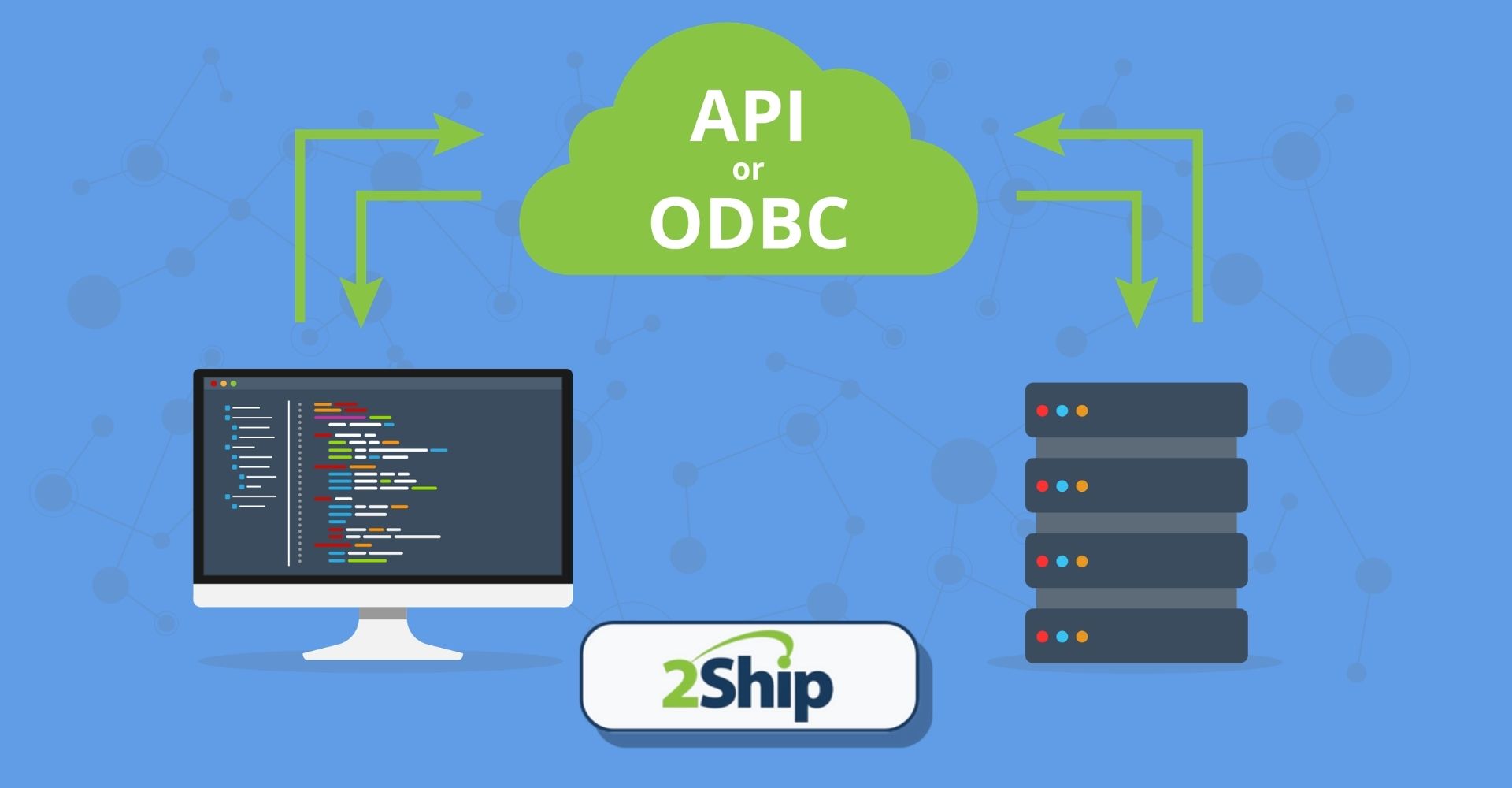
2Ship offers multiple ways to connect your shipping operation depending on your technical setup. You can use direct logistics platform integration via API, connect through ODBC for database-driven environments, or use embedded shipping tools inside your own software. Each option supports full multi carrier integration with access to the same powerful rating, label, and tracking features. This variety ensures that no matter what your IT infrastructure looks like today or tomorrow your shipping integration options remain robust and scalable. It allows you to maintain your current workflows while gaining advanced capabilities.
Carrier integration software within 2Ship allows you to connect directly with major national and regional couriers, freight providers, and specialty delivery services. These carrier connections feed real-time rates, service levels, labels, and tracking directly into your workflow all without manual uploads or downloads. It removes the friction of managing individual carrier portals and ensures data accuracy across your entire supply chain.
For companies working with multiple warehouses, fulfillment partners, or third-party logistics providers, 2Ship’s logistics API connections and 3PL integration options allow for shared visibility without shared chaos. Orders, shipments, and tracking updates stay synchronized across every party in the chain. This synchronization is vital for maintaining a single source of truth for your inventory and customer service teams so everyone is always on the same page.
Whether you need a lightweight ecommerce integration or a tightly controlled enterprise shipping setup, 2Ship’s connection framework adapts to your business instead of limiting it. You choose how deep the integration goes and you can scale it as your operation grows. By providing such versatile shipping integration options we ensure your logistics can evolve alongside your business strategy.