
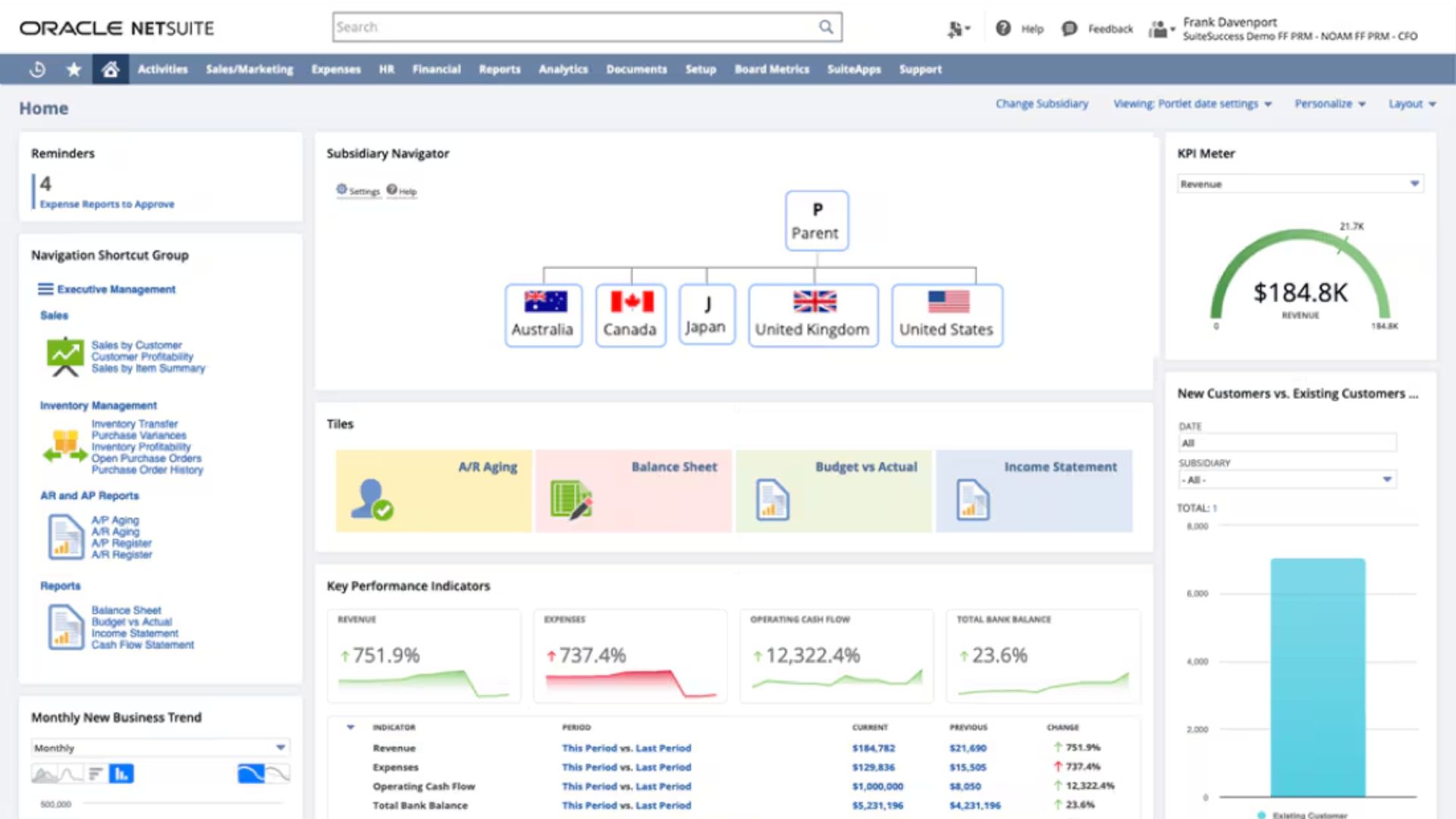
In today’s fast-paced digital landscape, businesses of all sizes are leveraging cloud-based Software as a Service (SaaS) solutions to manage information and operations. NetSuite stands out as a leading enterprise resource planning (ERP) platform, widely adopted by small to medium-sized businesses for its comprehensive CRM, operations, finance, and distribution capabilities.
Seamless Connection and Integration
A key driver for profitable growth is connecting cloud-based software systems to create automated workflows. This streamlines operations and enhances service outcomes for all stakeholders. Recognizing this, 2Ship has invested significant expertise in developing a robust, full integration between NetSuite and our advanced shipping platform.
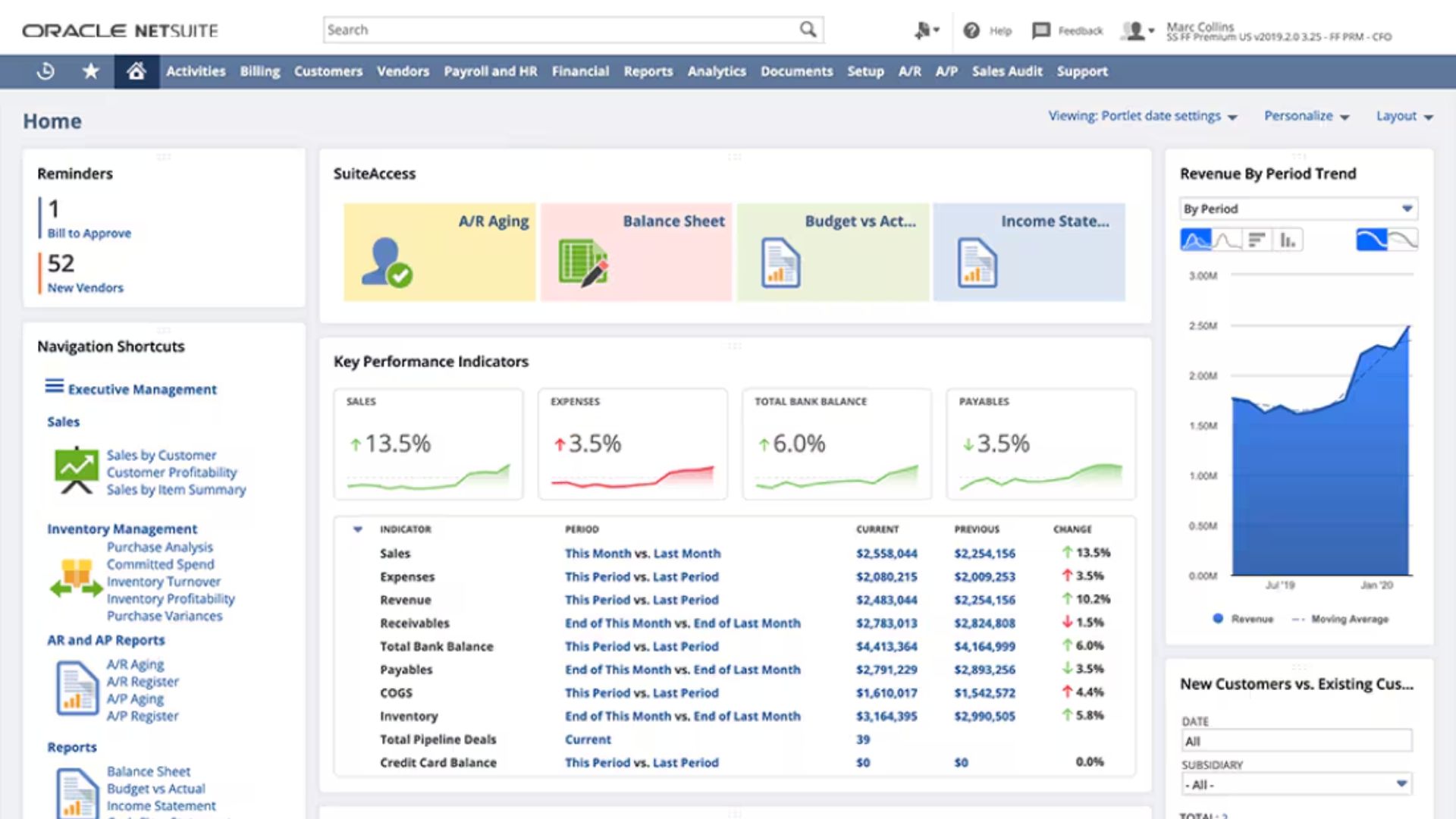
How the Connection Works
Thanks to 2Ship’s comprehensive set of APIs, connecting NetSuite and 2Ship is straightforward, requiring minimal setup and testing.
Once integrated, NetSuite seamlessly leverages 2Ship’s “Live Rates” feature. This allows NetSuite to query 2Ship for real-time carrier rates, using the precise dimensions and weight of your packages. All available shipping options are returned, enabling your operators to select the best choice directly within NetSuite.
After a carrier is selected, the NetSuite operator can ship the package without leaving their familiar environment. A carrier shipping label is then automatically generated by 2Ship and returned to NetSuite for printing and convenient storage.All additional shipment documents, like commercial invoices for international shipments, are also returned to Netsuite when needed.
2Ship also integrates on two levels to take care of all Netsuite clients’ workflows. Some clients choose to ship Orders, while others may split orders into Item Fulfillments, where multiple shipments can be made for each order. No matter your workflow, 2Ship’s integration has you covered.
Beyond just the shipping label, NetSuite is automatically updated with other vital shipment details, including:
- The master tracking number for the shipment
- Estimated shipping cost
- Carrier name and service
- A direct tracking URL link to the 2Ship tracking page
While these are standard integrated fields, 2Ship offers flexibility to map additional custom fields as part of a tailored integration, if your business requires it.
Key Benefits of This Seamless Integration
This powerful integration offers numerous advantages for your business:
- Significant Reduction in Duplication and Errors: By managing all your shipping data and processing shipments directly from NetSuite, you eliminate manual data re-entry into 2Ship. This drastically cuts down on wasted time and the risk of human error.
- Centralized Data Management: Maintaining a single database for package types and receiver addresses reduces the likelihood of data entry errors and saves valuable time otherwise spent updating multiple systems.
- Real-time Visibility for Enhanced Customer Service: As soon as a shipment is made, critical carrier information, including the tracking number, is instantly populated back into NetSuite. This real-time data is accessible across your organization, empowering your customer service and operations teams to immediately respond to customer queries regarding shipment status, carrier, and tracking details. This immediacy significantly improves customer satisfaction and boosts staff productivity.
- Simplified Freight Cost Recovery: This real-time integration allows NetSuite users to easily issue invoices that include estimated freight charges as soon as a shipment departs. You can even include a direct tracking link on the invoice if desired. With rising freight costs, the ability to accurately and automatically recover these charges from your customers can have a significant positive financial impact on your business. The tight integration between 2Ship and NetSuite makes this freight recovery process accurate, automatic, and hassle-free.
- Advanced Reporting and Cost-to-Serve Analysis: With estimated shipping costs for each consignment automatically fed back into NetSuite via 2Ship’s live rate API, you gain powerful data for developing insightful reporting tools. This enables you to analyze:
- Freight cost as a percentage of sales by product line, customer, or customer grouping.
- Detailed cost-to-serve calculations for your top customers or SKUs.
We all know that accurate and timely data is crucial for business profitability and insightful analysis. As a NetSuite and 2Ship user, you gain unprecedented control over your shipping data, enabling you to make informed and timely decisions to drive your business forward.
In summary, this API-based, real-time integration between NetSuite and a powerful shipping platform like 2Ship offers NetSuite users a new level of sophistication and automation in their shipping processes. If you’re ready to leverage the power of cloud-based software to streamline operations, reduce costs, and significantly enhance your service levels, contact us today. We’ll be happy to walk you through how easy it is to connect these two powerful platforms and help grow your business.